






 Casa
Casa Productos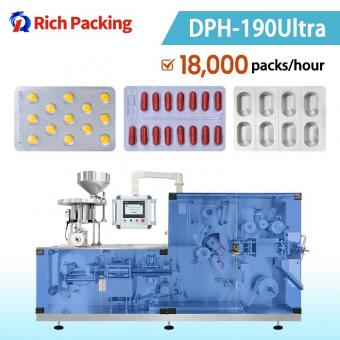
29+ years in pharmaceutical machinery, covering capsule filling, tablet pressing, blister packaging, tablet and capsule counting, cartoning, GMP production, and overseas machine service.

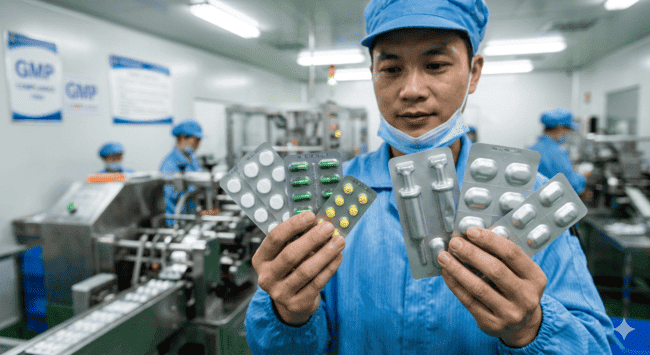
En el entorno farmacéutico y nutracéutico de rápida evolución de 2026, la agilidad se ha convertido en la principal ventaja competitiva para las startups. Para muchos fundadores, el camino desde una fórmula de I+D exitosa hasta un producto listo para el mercado está plagado de obstáculos logísticos. ¿El punto de inflexión más crítico? La transición de procesos manuales a una máquina de envasado automático en blíster.
Sin embargo, la "trampa de la escalabilidad" es real. Muchas marcas emergentes invierten grandes sumas en equipos basándose únicamente en el precio, solo para descubrir que su maquinaria no puede adaptarse a las nuevas exigencias de las salas blancas ni a los diversos formatos de producto. En 2026, una máquina de envasado en blíster de alta calidad ya no es solo una herramienta de producción, sino un activo estratégico que debe equilibrar el cumplimiento de las Buenas Prácticas de Fabricación (BPF), el espacio físico necesario en la fábrica y la eficiencia operativa, desde la compresión inicial de las tabletas hasta el envasado final.
Uno de los cambios más significativos en los estándares de la industria este año es el abandono de la vaga "producción nominal" y el uso de la frecuencia de corte como métrica principal para la confiabilidad, así como la metalurgia de las herramientas para la seguridad del consumidor. Ya sea que esté aumentando la producción de su primera máquina de prensado de tabletas o lanzando una línea especializada de cápsulas, comprender el funcionamiento mecánico de su sistema de envasado es esencial para evitar costosos tiempos de inactividad.
Como se señala en los recientes estudios de referencia operativos (Rich Packing 2026), la elección entre la tecnología DPP (placa plana) y DPH (rotativa) suele determinar la capacidad de una empresa emergente para mantener la rentabilidad y minimizar el desperdicio de material. En esta guía, exploraremos cómo desenvolverse en este ámbito técnico, desde la solución del problema del "elevador estrecho" con diseños modulares de cuerpo dividido hasta el logro de una precisión quirúrgica con herramientas DC53 y la optimización del retorno de la inversión a largo plazo mediante una integración de línea avanzada y sin interrupciones.
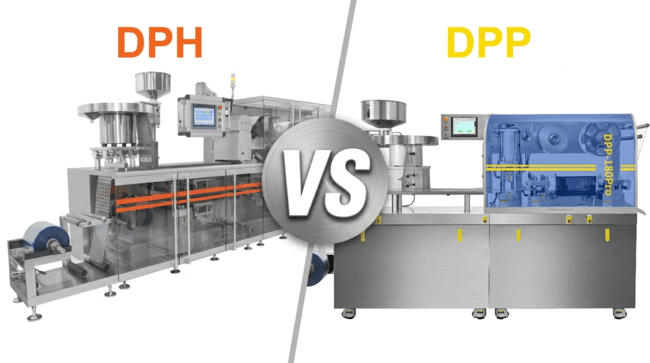
Antes de adentrarse en modelos específicos, todo fundador de una startup debe comprender la divergencia mecánica fundamental en la tecnología de las máquinas de envasado en blíster. En 2026, la elección se trata de hacer coincidir la "lógica de movimiento" de la máquina con el ADN de su producto. Empaquetado enriquecido Las clasificamos en dos vías tecnológicas distintas:
La serie DPP funciona según un principio de movimiento intermitente. Imagínese un ritmo de "parada y arranque": la película se mueve, se detiene para formarla, se mueve, se detiene para sellarla y se mueve de nuevo para cortarla.
La ventaja: Debido a que la película permanece inmóvil durante el proceso de sellado (sellado de área), proporciona un mayor "tiempo de permanencia" y una presión uniforme.
Ideal para: Blísteres con formas complejas, envases de gran capacidad (como jeringas o cápsulas grandes) y llenado de líquidos donde la estabilidad es primordial para evitar salpicaduras.
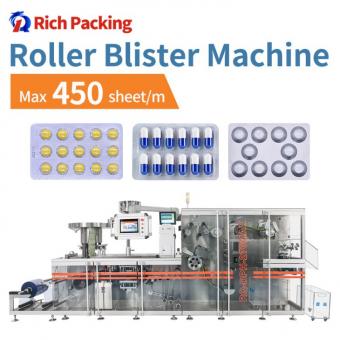
La serie DPH funciona según el principio de movimiento continuo. No hay paradas. La película y la lámina pasan entre dos rodillos sincronizados y calefactados.
La ventaja: Este método de "sellado en línea" permite alcanzar velocidades extremas y una disposición de blísteres mucho más compacta.
Ideal para: Tabletas y cápsulas estándar de alto volumen donde la reducción del desperdicio de material y la maximización de la producción de una máquina de prensado de tabletas de alta velocidad son los objetivos principales.
|
Característica |
Serie DPP (Placa Plana) |
Serie DPH (rotativa) |
|
Método de sellado |
Sellado de placas planas (de área) |
Sellado rotativo (en línea) |
|
Tipo de movimiento |
Intermitente (parada y arranque) |
Continuo (sin parar) |
|
Frecuencia máxima de corte |
20 - 55 ciclos/min |
40 - 200 ciclos/min |
|
Utilización de materiales |
Estándar |
Alto (Ahorra entre un 12% y un 15% de papel de aluminio) |
|
Estrategia de huella |
Carrocería modular dividida disponible |
Línea de alta velocidad integrada |
Para muchas empresas farmacéuticas emergentes en 2026, el primer campo de batalla no es el mercado, sino el laboratorio. Si operas desde una incubadora biotecnológica urbana o un edificio de varias plantas, te enfrentas a una serie de limitaciones únicas que los gigantes industriales tradicionales suelen ignorar. Es aquí donde la serie DPP se transforma de una máquina en una potente herramienta de producción.
Adaptar la infraestructura física a la maquinaria estándar es un gasto excesivo para las nuevas empresas. Hemos visto a fundadores obligados a quitar ventanas o alquilar grúas de 50 toneladas solo para instalar una máquina de envasado en blíster estándar.
El diseño modular de carrocería dividida de Rich Packing elimina este riesgo. Al diseñar el chasis para que sea separable en las uniones estructurales clave, la máquina se puede "dividir" para su transporte.
Adaptabilidad urbana: Las unidades modulares están diseñadas para caber dentro de los montacargas estándar y pasar por puertas de salas blancas de 90 cm de ancho.
Reensamblaje rápido: Gracias al uso de conectores rápidos de grado aeronáutico y un bus unificado controlado por servomotores, nuestros ingenieros (o su equipo local a través de soporte remoto por video) pueden reensamblar y recalibrar la línea en una fracción del tiempo, logrando que su máquina de llenado de cápsulas vuelva a alimentar la línea el mismo día.
En la fase inicial, no solo se fabrica un producto, sino que se trabaja en iteraciones. Los cambios frecuentes entre diferentes tamaños de tabletas o formatos de cápsulas pueden perjudicar la productividad si el proceso de cambio de molde es engorroso.
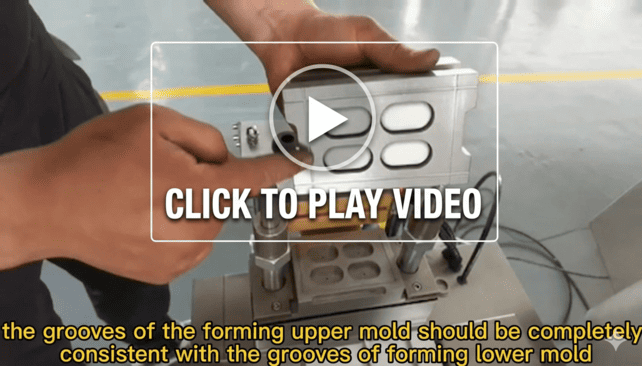
La serie DPP 2026 incorpora nuestro diseño patentado de ranura tipo cajón para estaciones de conformado, sellado y corte.
Cambios sin herramientas: en lugar de lidiar con docenas de tornillos, el operario simplemente desliza el molde en un riel de "encaje a presión" diseñado con precisión.
Alineación quirúrgica: Las ranuras son autocentrantes, lo que significa que no se pierden horas (ni metros de costosa lámina de aluminio) intentando alinear manualmente el punzón. Un cambio completo que antes llevaba 2 horas ahora se realiza en menos de 10 minutos, lo que permite un flujo de trabajo de "fabricación ajustada" verdaderamente ágil.
Ingeniería a medida: Del diseño a la realidad
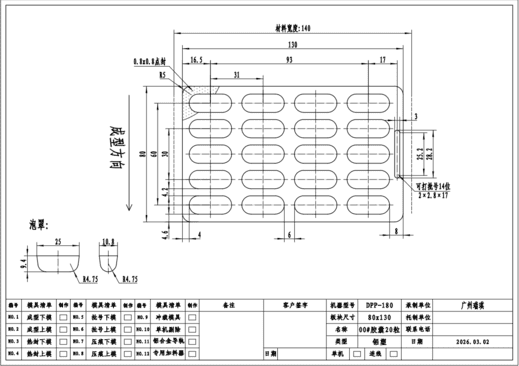
Diseños de moldes personalizados: Para garantizar una compatibilidad total, nuestro equipo de ingeniería elabora planos de diseño de moldes a medida, basados en las dimensiones específicas de su tableta, cápsula o dispositivo médico. Simulamos el ajuste antes de cortar la primera pieza de acero, asegurando que la forma o el logotipo de su marca queden perfectamente grabados en cada blíster.
Más allá de la logística, la física de la serie DPP la convierte en la "navaja suiza" del embalaje. Debido a que la película permanece perfectamente horizontal y estacionaria durante el llenado y el embalaje, En las fases de desarrollo, es la única opción confiable para:
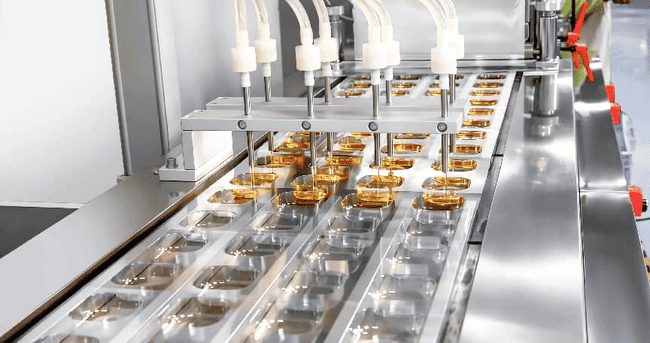
Relleno líquido y semisólido: Evita salpicaduras en ampollas rellenas de miel, ungüentos o aceite.
Conformado por embutición profunda: esencial para dispositivos médicos, jeringas o comprimidos de gran formato que requieren un "tiempo de permanencia" uniforme y a alta presión que solo el sellado de área de placa plana puede proporcionar.
Si bien la serie DPP es la reina de la flexibilidad, la serie DPH (rotativa) es la campeona indiscutible de la eficiencia a escala industrial. Para las empresas emergentes cuyos productos han logrado una rápida aceptación en el mercado, la conversación pasa de "¿Cómo fabricamos esto?" a "¿Cómo producimos más al menor costo unitario posible?". Aquí es donde la física del movimiento rotatorio y la precisión del sistema de 6 servomotores demuestran su verdadero valor.
La diferencia más notable en una máquina de envasado en blíster DPH es su movimiento continuo. En una máquina de placa plana, la película debe detenerse para el sellado y para el corte (movimiento intermitente). Incluso con los mejores motores, este ciclo de parada y arranque crea un límite físico a la velocidad.
La serie DPH elimina este cuello de botella mediante el uso del sellado rotativo continuo en línea. A medida que la película del blíster y la lámina de aluminio pasan entre dos rodillos calefactores sincronizados, el sellado se produce de forma instantánea y continua.
Alto rendimiento: Esto permite que modelos como el DPH-380Max alcancen una frecuencia de corte estable de 200 ciclos por minuto.
Integración perfecta: Cuando su máquina de prensado de tabletas anterior está produciendo grandes volúmenes, solo un sistema rotativo puede mantener el ritmo sin generar retrasos en su línea de producción que cumple con las normas GMP.
Para una empresa emergente, el costo de las láminas de aluminio-aluminio y aluminio-PVC representa un gasto recurrente importante. En 2026, la producción sostenible no es solo una opción ética, sino una necesidad financiera.
Minimizar los residuos de la estructura interna: En las máquinas de placas planas, debido a que la película se detiene y se reanuda, debe existir un considerable espacio entre cada blíster para garantizar la estabilidad mecánica durante el perforado. Esto genera una gran cantidad de material sobrante, como un esqueleto, que se acumula en forma de chatarra metálica o plástica.
Precisión de microespacios: El DPH utiliza un sistema de tracción rotativa continua. Dado que el movimiento nunca se detiene, la distancia entre las cavidades de la ampolla se puede comprimir hasta el límite físico absoluto.
Cálculo del retorno de la inversión: Al reducir el espacio entre los paquetes, el sistema DPH puede aumentar la utilización del material entre un 12 % y un 15 %. En una línea de producción de alto volumen, esto significa obtener más producto vendible por cada rollo de lámina. Durante un año de producción continua (24/7), este ahorro de material por sí solo puede compensar significativamente el precio inicial de la máquina de envasado en blíster.
Para gestionar este flujo de alta velocidad sin comprometer la calidad, la serie DPH de Rich Packing está equipada con una avanzada arquitectura de motor de 6 servomotores.
Control independiente: Cada motor controla una estación específica: conformado, alimentación, sellado, numeración de lotes, tracción y corte.
Puesta en marcha sin desperdicios: Las máquinas mecánicas tradicionales desperdician metros de papel de aluminio solo para lograr la sincronización correcta. Nuestro sistema de 6 servomotores utiliza codificadores digitales para encontrar la posición inicial al instante. Obtendrá un blíster perfecto y listo para la venta desde el primer intento, garantizando que cada cápsula de su máquina de llenado se contabilice correctamente.
El precio de una máquina de envasado en blíster que se muestra es solo una parte de la historia. El costo real se encuentra en la metalurgia y los sistemas de accionamiento. En 2026, Rich Packing estableció un nuevo referente en lo que respecta a herramientas industriales de alta gama.
La matriz de corte es el componente que más trabaja de la máquina. La mayoría de las máquinas básicas utilizan acero al carbono genérico, que se desafila rápidamente, lo que provoca rebabas: bordes irregulares en el envase tipo blíster.
Precisión quirúrgica: Rich Packing utiliza acero para moldes DC53 para nuestras herramientas de corte, tratado hasta alcanzar una dureza de 60-62 HRC.
Seguridad para el consumidor: Su alta dureza garantiza un corte limpio y preciso en todo momento. No presenta bordes afilados que puedan lastimar la mano del consumidor, preservando así la reputación de calidad de su marca.
Ciclos de vida prolongados: El acero DC53 dura tres veces más que el acero tradicional Cr12MoV, lo que reduce drásticamente la frecuencia de reemplazo de las cuchillas y el tiempo de inactividad por mantenimiento.
Para 2026, las cadenas y correas mecánicas se están convirtiendo en reliquias del pasado en el envasado farmacéutico. Gama completa de máquinas automáticas de envasado en blíster Prioriza los componentes accionados por servomotores.
Menor fricción: Menos piezas mecánicas en movimiento significan menos calor y menos desgaste.
Retirada digital: Si cambia de producto, los parámetros del servomotor se guardan en el PLC. La máquina ajusta automáticamente la tensión y la sincronización, garantizando el cumplimiento de las normas GMP con tan solo tocar la pantalla.
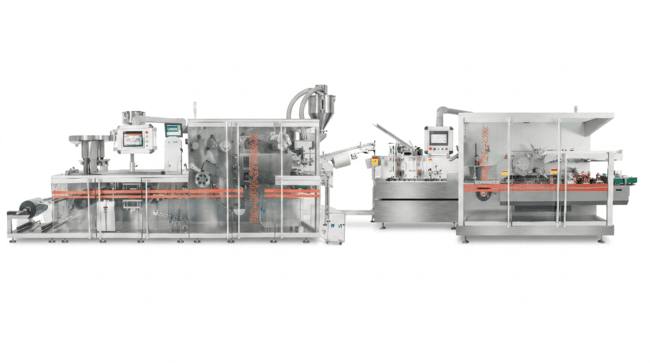
El error más común que cometen las startups en su fase de crecimiento es la "adquisición fragmentada": comprar una máquina de prensado de tabletas a un proveedor, una máquina de blíster a otro y una estuchadora a un tercero. En 2026, el costo de la "brecha de integración" (el tiempo y la mano de obra desperdiciados en lograr que máquinas incompatibles se comuniquen) puede superar el costo de las propias máquinas.
En Rich Packing, nos especializamos en la integración vertical llave en mano, lo que garantiza que toda su línea de producción funcione como un único organismo sincronizado.
La calidad de un blíster se determina en la etapa de compresión. Si los comprimidos tienen un grosor irregular, la línea del blíster se atascará.
La combinación perfecta: al combinar nuestras prensas rotativas para tabletas de la serie ZP27T o nuestras llenadoras de cápsulas de alta precisión con nuestras líneas de blísteres, se garantiza la compatibilidad física.
Sistema de transferencia sellado: Nuestras líneas integradas cuentan con rampas de transferencia selladas al vacío o por gravedad. Esto elimina la carga manual de bandejas, manteniendo los estándares GMP más estrictos al prevenir la contaminación por polvo y la exposición a la humedad ambiental entre las etapas de compresión y envasado.
Una vez cortado el blíster, el desafío logístico se centra en el embalaje secundario. Ofrecemos conexiones sincronizadas con la fábrica para:
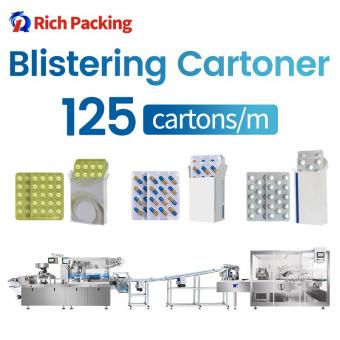
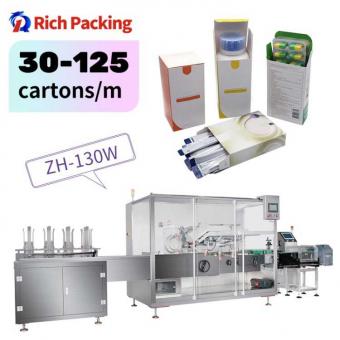
Máquinas automáticas de estuchado : Para presentaciones de venta minorista de alta gama donde los blísteres, folletos y cajas deben unificarse a gran velocidad.
Máquinas de envasado flow wrap : Una solución versátil y rentable para el embalaje secundario de protección, especialmente para suministros clínicos a granel.
Máquinas contadoras de sobres Para las marcas que venden en bolsas a granel, un contador de sobres integrado garantiza una precisión del 100 % en cada bolsa, eliminando el error humano asociado al conteo manual.
¿Por qué es importante la rendición de cuentas de "fuente única"?
Control unificado (sincronización PLC): Todas las máquinas comparten una arquitectura lógica similar. La velocidad de la estuchadora se ajusta automáticamente a la frecuencia de corte de la máquina de blíster.
Alineación física: Se acabaron las cintas transportadoras hechas a medida o los "trucos para ajustar la altura". Cada máquina está diseñada para ubicarse a la altura perfecta para una transferencia fluida del producto.
La regla de la "llamada única": si la línea se interrumpe, no tendrá a tres proveedores culpándose mutuamente. Tendrá un único responsable, respaldado por la depuración remota de vídeo para restablecer la conexión en cuestión de minutos.
Para el fundador de una startup, el precio de la máquina de envasado en blíster es solo el punto de partida. Las verdaderas preguntas surgen durante el funcionamiento continuo (24/7). Basándonos en nuestros objetivos operativos para 2026 en Rich Packing, estas son las cuestiones técnicas más importantes que debe abordar:
P1: ¿Puede una sola máquina procesar tanto Alu-PVC como Alu-Alu (conformado en frío)?
R: Sí, pero con una salvedad. La mayoría de nuestras máquinas de la serie DPP son de doble capacidad. Sin embargo, cambiar entre ambas requiere más que simplemente cambiar la lámina. Es necesario cambiar el molde de conformado (de placas calefactoras a matrices de conformado en frío). Dado que el proceso Alu-Alu requiere una presión mecánica mucho mayor para dar forma a la lámina sin que se agriete la capa protectora, el motor y el sistema de levas de la máquina deben ser robustos. Nuestra DPP-270Max está reforzada específicamente para esto, lo que garantiza que el proceso de conformado en frío no sobrecargue la arquitectura servoaccionada.
P2: ¿Cómo reduce exactamente el "Sistema de 6 Servos" mis gastos operativos mensuales (OPEX)?
A: En una máquina mecánica tradicional, todas las estaciones están conectadas por una sola cadena. Si la cadena se estira incluso 1 mm, el sellado y el corte se desincronizan, lo que provoca fugas o marcas. Podría desperdiciar 50 metros de lámina cada mañana solo en la recalibración. Nuestro sistema de 6 servomotores utiliza codificadores digitales para sincronizar cada estación con una precisión de 0,01 mm. Esto elimina el desperdicio inicial. Para una empresa emergente, ahorrar entre 20 y 30 metros diarios de costosa lámina de aluminio puede suponer un ahorro anual de entre 5000 y 8000 dólares, lo que permite amortizar el precio de la máquina en los primeros 18 meses.
P3: Tenemos previsto conectar una máquina de encartonado más adelante. ¿Qué debemos preparar ahora?
Esta es una "trampa de escalado" crítica. Si compra una máquina independiente sin una interfaz de sincronización (puerto de comunicación PLC), se verá obligado a realizar transferencias manuales más adelante. Todos los 2026 Máquinas de embalaje enriquecido Incluyen protocolos de comunicación integrados. Cuando esté listo para agregar una máquina de encartonado automática o una envasadora flow-wrapper, la máquina de blíster ya cuenta con la lógica de software para funcionar como la unidad "maestra", dictando la velocidad y la sincronización a los equipos posteriores.
P4: ¿Por qué se hace hincapié en el acero DC53 en lugar del acero estándar D2 o el acero al cromo?
Todo se reduce a las microfisuras. Al cortar materiales abrasivos como el papel de aluminio, el acero D2 desarrolla microfisuras después de aproximadamente 500 000 ciclos. Estas microfisuras crean los bordes dentados que cortan los dedos de los usuarios. El acero para moldes DC53 tiene una dureza de 60-62 HRC, lo que significa que conserva un filo de precisión durante casi 2 millones de ciclos. Es la diferencia entre reemplazar las cuchillas cada 6 meses o cada 3 años.
P5: ¿Cuál es la "Profundidad de bolsillo" máxima para DPP frente a DPH?
Se trata de una limitación física. Dado que la DPP (placa plana) utiliza un movimiento vertical intermitente, puede alcanzar una profundidad de conformado de hasta 25-30 mm, ideal para jeringas o viales grandes. La DPH (rotativa) está optimizada para la velocidad, y su lógica de conformado rotativo generalmente limita la profundidad de la cavidad a 12-15 mm. Si va a envasar dispositivos médicos de embutición profunda, la DPP es su única opción técnica.
P6: ¿Cómo gestiona Rich Packing la "Validación Remota" para las startups internacionales?
A: En 2026, no solo enviamos un manual. Ofrecemos instalación asistida por realidad aumentada. Mediante un enlace de video de alta velocidad exclusivo, nuestros ingenieros pueden ver exactamente lo que ve su técnico. Realizamos una prueba de aceptación en fábrica (FAT, por sus siglas en inglés) digital antes del envío, lo que garantiza que la máquina cumpla con sus estándares GMP específicos e interactúe perfectamente con su máquina de prensado de tabletas incluso antes de que salga de nuestras instalaciones.
En el mundo de la fabricación farmacéutica, los equipos son el socio silencioso de producción de su marca. Una máquina demasiado lenta crea un cuello de botella; una máquina demasiado compleja genera tiempos de inactividad; y una máquina mal integrada genera desperdicio.
Ya sea que necesite la versatilidad modular de la serie DPP para trabajar en un laboratorio urbano con espacio reducido o la alta eficiencia de la serie DPH para dominar el mercado masivo, Rich Packing le ofrece mucho más que hardware. Le proporcionamos un ecosistema unificado y controlado por servomotores que se adapta a sus necesidades. Desde el primer grano de polvo en su prensa de tabletas hasta el conteo final en su contador de sobres, garantizamos que cada paso de su proceso sea preciso, cumpla con las normativas y sea rentable.

29+ years in pharmaceutical machinery, covering capsule filling, tablet pressing, blister packaging, tablet and capsule counting, cartoning, GMP production, and overseas machine service.

Correo electrónico : manager@richpacking.cn
Building D, No. 226, Beishan Qiaotou Street, Haizhu District, Guangzhou City, Guangdong Province, China


 Red IPv6 admitida