






 Casa
Casa Productos

29+ years in pharmaceutical machinery, covering capsule filling, tablet pressing, blister packaging, tablet and capsule counting, cartoning, GMP production, and overseas machine service.

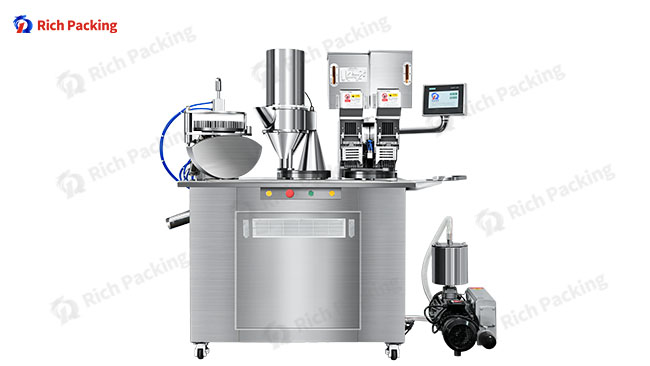
Máquinas semiautomáticas de llenado de cápsulas Siguen siendo una de las soluciones más utilizadas en la producción de cápsulas, especialmente para fabricantes farmacéuticos de tamaño pequeño y mediano, productores de nutracéuticos, laboratorios de I+D y empresas que operan con líneas de producción flexibles o por lotes. En comparación con los sistemas totalmente automáticos, las máquinas semiautomáticas ofrecen una combinación equilibrada de coste de inversión, flexibilidad operativa y eficiencia de producción, razón por la cual continúan representando una parte significativa del mercado.
En el funcionamiento diario, estas máquinas se utilizan a menudo de forma continua y con diferentes tamaños de cápsulas, formulaciones y programas de producción. Como resultado, su rendimiento depende no solo de un funcionamiento adecuado, sino también de prácticas de mantenimiento consistentes y correctas. Muchos problemas de estabilidad que se observan en la producción real no son causados por la máquina en sí, sino debido a aspectos fundamentales que se pasan por alto, como las condiciones de la fuente de alimentación, el cuidado del sistema de vacío y los hábitos de mantenimiento rutinario.
Como un Fabricante profesional de equipos para el llenado de cápsulas. Con frecuencia nos preguntan por qué máquinas semiautomáticas para cápsulas similares presentan un rendimiento muy diferente a largo plazo. Basándonos en nuestra amplia experiencia en fabricación y en los comentarios de las plantas de producción, la respuesta es clara: el mantenimiento desempeña un papel mucho más importante de lo que la mayoría de los usuarios imagina.
En este artículo, compartiremos consejos prácticos sobre el mantenimiento de las máquinas semiautomáticas de llenado de cápsulas en entornos de producción reales. En lugar de centrarnos en los procedimientos operativos, las siguientes secciones destacan tres áreas de mantenimiento que tienen el mayor impacto en la estabilidad, la fiabilidad y la vida útil de la máquina.
En el caso de las máquinas semiautomáticas de llenado de cápsulas utilizadas en distintos países y regiones, los requisitos de alimentación eléctrica no son universales. Los niveles de voltaje, las frecuencias estándar y las configuraciones de potencia varían considerablemente entre los mercados. Al importar máquinas de llenado de cápsulas del extranjero, confirmar la compatibilidad eléctrica con antelación es un paso fundamental, aunque a menudo subestimado.
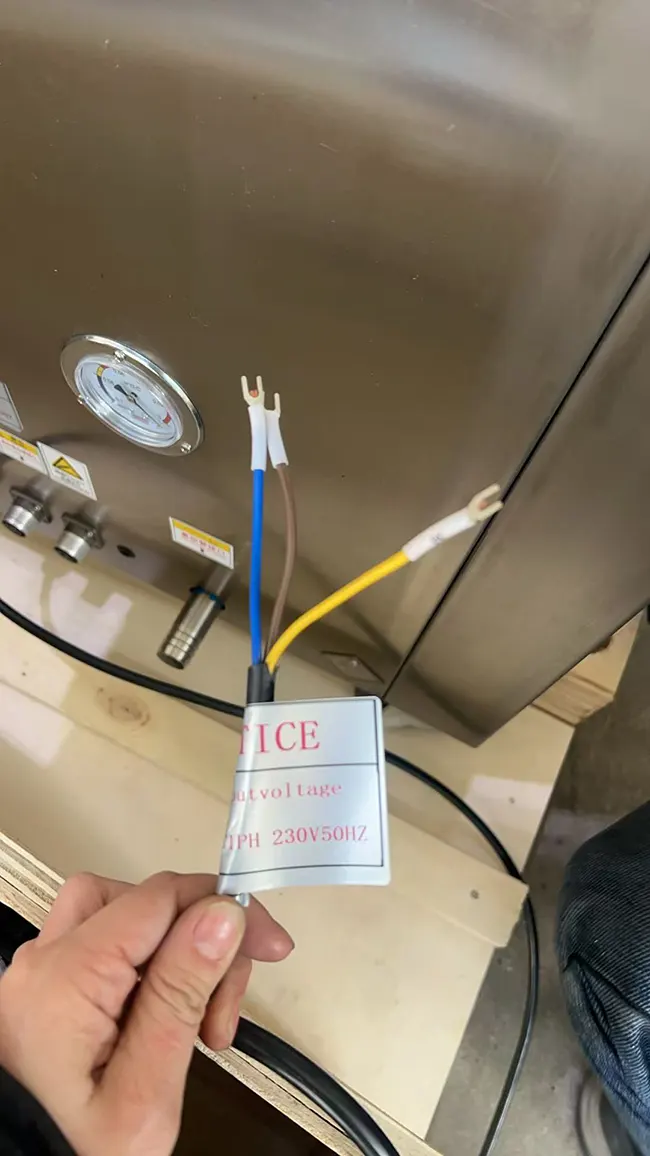
Antes de conectar la máquina a la fuente de alimentación por primera vez, siempre se debe comprobar y verificar cuidadosamente la tensión real en el lugar de instalación. Incluso cuando el equipo está configurado correctamente en fábrica, las diferencias en las condiciones de la red eléctrica local, los errores de cableado o las suposiciones de instalación pueden generar discrepancias. En la práctica, hemos visto muchos casos en los que los componentes se dañaron simplemente porque no se comprobó ni confirmó adecuadamente la tensión antes de encender el equipo.
Para mayor tranquilidad, colocaremos pegatinas en el enchufe para que los operarios puedan comprobarlo.
En entornos de producción reales, conectar una máquina a una fuente de alimentación que no cumpla con sus especificaciones de diseño puede no provocar una falla inmediata. Sin embargo, esta discrepancia genera un estrés continuo en los motores, los circuitos de control y los componentes eléctricos, lo que gradualmente conduce a un funcionamiento inestable, un comportamiento anómalo o tiempos de inactividad inesperados. Muchos problemas eléctricos a largo plazo se originan por una configuración de alimentación incorrecta durante la instalación inicial.
En las máquinas semiautomáticas de llenado de cápsulas, el sistema eléctrico y de alimentación constituye la base de todas las acciones mecánicas y neumáticas. A diferencia de los equipos puramente mecánicos, estas máquinas dependen de la coordinación entre motores, circuitos de control, componentes neumáticos y sensores. Incluso pequeñas variaciones en el suministro eléctrico, como un voltaje incorrecto, una frecuencia inestable o una conexión a tierra inadecuada, pueden tener efectos acumulativos en la estabilidad de la máquina, la precisión del control y la vida útil de los componentes.
Dado que los sistemas eléctricos operan de forma continua durante toda la producción, verificar la tensión y la compatibilidad eléctrica debe considerarse una práctica estándar de instalación y mantenimiento, especialmente en el caso de entregas de equipos internacionales. Una configuración eléctrica adecuada garantiza no solo un funcionamiento seguro, sino también una fiabilidad a largo plazo y un rendimiento predecible.
Nosotros Máquinas de llenado de cápsulas semiautomáticas personalizadas Para cumplir con los requisitos específicos de voltaje y frecuencia del mercado de destino. Las configuraciones comunes incluyen alimentación monofásica o trifásica, con opciones de voltaje como 110 V, 220 V, 380 V o 400 V, a 50 Hz o 60 Hz. Estos parámetros se fijan durante la fabricación y deben coincidir con el suministro eléctrico real en el lugar de instalación.
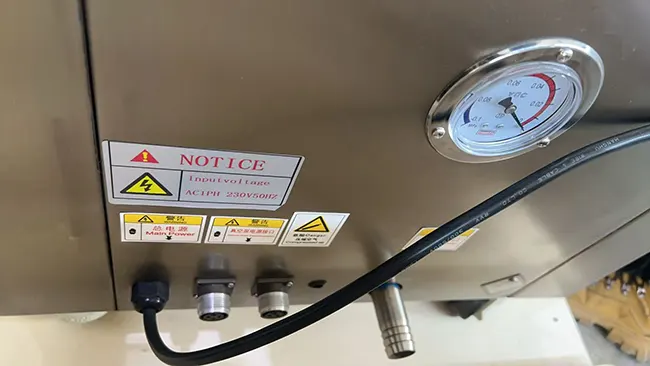
Antes de la instalación, se debe medir la alimentación eléctrica entrante y verificarla con la placa de características y la documentación eléctrica de la máquina. Esto incluye no solo la tensión nominal, sino también el tipo de fase y la frecuencia. En entornos de producción reales, suelen producirse discrepancias debido a suposiciones erróneas, como asumir que todas las alimentaciones trifásicas son idénticas o que el cableado de fábrica cumple con las normas locales.
Una tensión inestable o incorrecta puede no impedir de inmediato el funcionamiento de la máquina, pero afecta directamente a componentes como motores, inversores y módulos de potencia. Los primeros síntomas típicos incluyen una temperatura anormal del motor, una respuesta de velocidad inconsistente o alarmas intermitentes. Con el tiempo, el funcionamiento continuo con una tensión incorrecta aumenta significativamente el riesgo de daños en los componentes y de paradas no planificadas.
Una correcta conexión a tierra es un requisito indispensable para las máquinas semiautomáticas de llenado de cápsulas, ya que garantiza la estabilidad operativa y la seguridad del personal. El conductor de puesta a tierra debe conectarse de forma segura al terminal de puesta a tierra designado en la máquina y estar conectado a una toma de tierra fiable en el lugar de instalación.
Una conexión a tierra inadecuada puede provocar señales de control inestables, fallos en la comunicación de los sensores y un aumento del ruido eléctrico en el sistema de control. Estos problemas suelen manifestarse como un comportamiento irregular de la máquina, difícil de atribuir a una única causa mecánica. Desde el punto de vista de la seguridad, una conexión a tierra deficiente o inexistente también aumenta el riesgo de descarga eléctrica durante el funcionamiento o el mantenimiento.
Las conexiones a tierra deben inspeccionarse durante la instalación y periódicamente después. Los terminales de tierra sueltos, la corrosión o los cables de tierra dañados pueden comprometer la estabilidad del sistema, incluso si el resto de la instalación eléctrica parece normal.
La calidad del cableado eléctrico influye directamente en la fiabilidad a largo plazo de una máquina semiautomática de llenado de cápsulas. Muchos fallos eléctricos evitables se originan por prácticas de cableado inadecuadas durante la instalación. Para mitigar riesgos y garantizar una estabilidad operativa constante, deben seguirse estrictamente las siguientes directrices:
Instalación eléctrica cualificada
Únicamente los electricistas con licencia y experiencia en equipos industriales están autorizados para realizar las instalaciones eléctricas. Las conexiones deben cumplir con las normas eléctricas locales y las especificaciones técnicas de la máquina.
Confirmación de apagado antes del cableado
La fuente de alimentación principal debe desconectarse por completo antes de realizar cualquier trabajo de cableado o inspección. Esto evita descargas eléctricas accidentales y protege los componentes eléctricos durante la instalación.
Dimensionamiento correcto del cable y conexiones seguras
Los cables de alimentación deben dimensionarse según la corriente nominal de la máquina. Todos los terminales deben estar bien sujetos para evitar que se aflojen durante el funcionamiento, lo que podría provocar sobrecalentamiento localizado, caídas de tensión o fallos intermitentes.
Aislamiento y protección adecuados
Una vez finalizado el cableado, los conductores expuestos deben aislarse adecuadamente con materiales apropiados, como cinta aislante o tubos termorretráctiles. Esta medida reduce la posibilidad de cortocircuitos y daños al entorno.
Verificación inicial de encendido sin carga
Antes de iniciar la producción, la máquina debe encenderse sin carga para verificar que los indicadores eléctricos, los circuitos de control y las funciones básicas operen con normalidad. Cualquier ruido, olor o alarma anormal debe investigarse de inmediato antes de continuar.
Integridad de los recintos de protección
Por motivos de seguridad, los armarios eléctricos y los paneles de control deben permanecer cerrados herméticamente durante su funcionamiento. Los dispositivos de enclavamiento deben mantenerse operativos para evitar el contacto accidental con componentes bajo tensión y reducir la entrada de polvo en el sistema eléctrico.
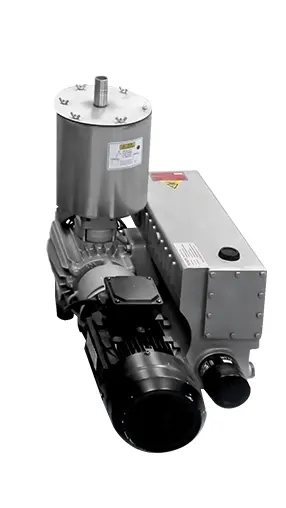
En una máquina semiautomática de llenado de cápsulas, el sistema de vacío desempeña un papel mucho más importante de lo que muchos usuarios creen inicialmente. Si bien funciona silenciosamente en segundo plano, su rendimiento afecta directamente la precisión de la separación de las cápsulas, la estabilidad de la producción y la calidad del producto final.
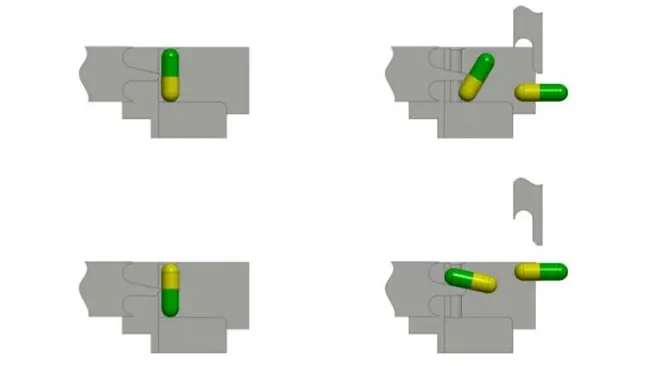
Durante la orientación y separación de las cápsulas, el sistema de vacío debe proporcionar una presión negativa constante y controlada. Si el rendimiento del vacío fluctúa o se degrada con el tiempo, pueden surgir problemas como el desplazamiento de las cápsulas, una separación incompleta o un posicionamiento inestable. Estos problemas suelen confundirse con fallos mecánicos o de calidad de las cápsulas, cuando en realidad la causa subyacente reside en el sistema de vacío.
Por este motivo, la elección de la bomba de vacío y sus componentes eléctricos es fundamental. Utilizamos componentes de marcas reconocidas internacionalmente, como Siemens y Schneider Electric, no solo por su rendimiento estable y fiabilidad comprobada, sino también por razones prácticas que resultan cruciales en entornos de producción reales. Cuando se requiere un reemplazo o mantenimiento, los componentes estandarizados se pueden obtener localmente en la mayoría de los países, lo que reduce significativamente el tiempo de inactividad causado por largos plazos de entrega o piezas bajo pedido especial. A largo plazo, este enfoque ayuda a los clientes a mantener la continuidad de la producción y a responder con mayor eficiencia a las necesidades de mantenimiento imprevistas.
Durante la separación de las cápsulas, el sistema de vacío debe mantener una presión negativa estable y adecuada. Un vacío demasiado fuerte o demasiado débil provocará problemas de producción visibles.
Cuando la presión de vacío es demasiado alta, las tapas de las cápsulas pueden desprenderse con demasiada fuerza, lo que provoca que salgan disparadas o que se dañe la superficie. Cuando la presión de vacío es insuficiente, el cuerpo y la tapa de las cápsulas pueden no separarse por completo, lo que resulta en una posición inestable o en una preparación de llenado incompleta. En la práctica, estos síntomas suelen atribuirse a la calidad de la cápsula, cuando la causa real reside en un ajuste incorrecto del vacío.
Un punto clave es que El rendimiento del sistema de vacío debe evaluarse en función del comportamiento de separación, no únicamente del valor de la presión. La separación estable de las cápsulas, sin que estas salgan disparadas ni que se produzcan fallos en la separación, es el indicador más fiable de que el vacío está funcionando dentro del rango correcto.
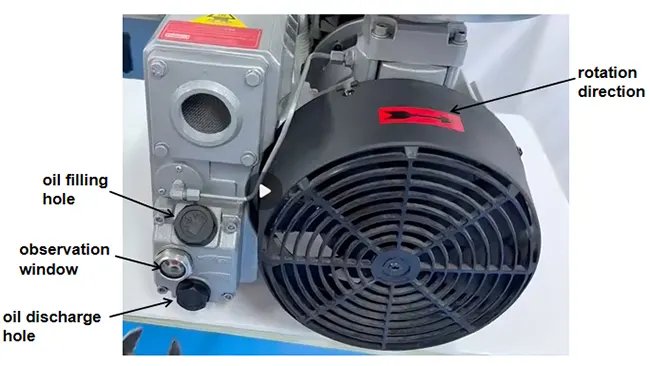
La bomba de vacío es el corazón del sistema de vacío, y su estado interno afecta directamente a la estabilidad del vacío. El mantenimiento del aceite de la bomba de vacío es una consideración común, pero a menudo subestimada.
El aceite para bombas de vacío cumple dos funciones clave: actúa como lubricante y como medio de sellado dentro de la bomba. Si el nivel de aceite es demasiado bajo, aumenta la fricción interna y disminuye la eficiencia del vacío. Si el aceite se contamina, emulsiona o degrada, el sellado interno se deteriora, lo que provoca una presión negativa inestable incluso cuando la bomba parece funcionar con normalidad.
En entornos de producción reales, la disminución del vacío causada por el mal estado del aceite suele manifestarse como problemas de separación intermitentes, en lugar de una falla total de la bomba. Por ello, la inspección del aceite se convierte en un paso de diagnóstico fundamental cuando la separación de las cápsulas se vuelve inconsistente.
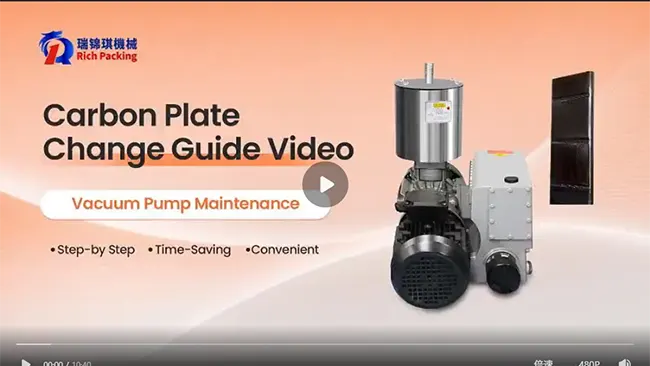
No dude en ponerse en contacto con nosotros para obtener un vídeo tutorial que muestre cómo cambiar las paletas de carbono.
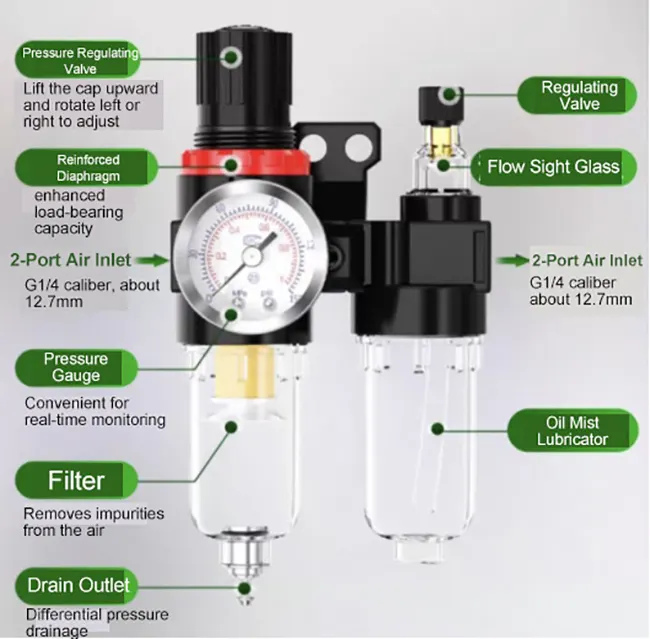
El polvo fino y los fragmentos de cápsulas son inevitables en operaciones de llenado de cápsulas Sin una filtración adecuada, estos contaminantes entran en el sistema de vacío y reducen gradualmente su rendimiento.
Los filtros instalados en la línea de vacío están diseñados para interceptar los residuos de polvo y los restos de cápsulas antes de que lleguen a la bomba. A medida que los filtros se obstruyen, aumenta la resistencia al flujo de aire, lo que reduce la presión de vacío efectiva en el punto de separación. Esto puede provocar una separación inestable incluso si la bomba se encuentra en buen estado mecánico.
Además de la filtración, la integridad de la línea de vacío es igualmente importante. Las pequeñas fugas que se producen en las interfaces de las mangueras o debido al envejecimiento de los sellos pueden no ser fácilmente detectables, pero tienen un impacto negativo significativo en la eficiencia del vacío. Con el tiempo, estas pequeñas pérdidas se acumulan y provocan una notable inestabilidad en la producción.
Por lo tanto, mantener limpios los filtros y las líneas de vacío herméticas es esencial para preservar un rendimiento de vacío constante y la fiabilidad del sistema a largo plazo.
El mantenimiento diario suele considerarse una tarea rutinaria, pero en realidad es uno de los factores más decisivos para el rendimiento a largo plazo de la máquina. En las máquinas semiautomáticas de llenado de cápsulas, muchos componentes mecánicos y neumáticos operan en estrecha proximidad a polvos finos y piezas móviles. Sin un mantenimiento diario constante, los problemas menores pueden acumularse gradualmente y provocar un funcionamiento inestable.
A diferencia de las reparaciones mayores, el mantenimiento diario no requiere herramientas complejas ni largos periodos de inactividad. En cambio, se basa en hábitos disciplinados que mantienen la máquina en un estado estable y predecible durante toda su vida útil.
La limpieza de una máquina de cápsulas semiautomática no se trata principalmente de mantener el equipo visualmente limpio. Los residuos de polvo que quedan en las superficies de contacto, los rieles guía o los componentes de transmisión pueden aumentar la fricción, interferir con el movimiento suave y afectar la alineación de los componentes con el tiempo.
La limpieza regular ayuda a prevenir la acumulación de polvo en áreas ocultas donde puede absorber humedad, endurecerse o migrar hacia las interfaces mecánicas. Al mantener limpias las superficies de trabajo y las piezas móviles, los operarios reducen el riesgo de una degradación gradual del rendimiento y de interrupciones inesperadas durante la producción.
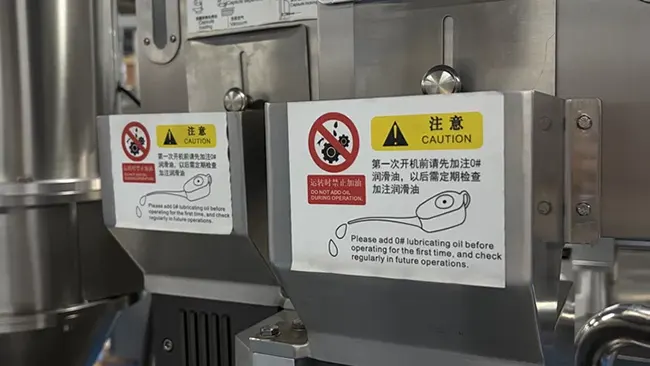
La lubricación desempeña un papel fundamental en la reducción del desgaste y el mantenimiento de un movimiento mecánico fluido, pero debe aplicarse correctamente. Los distintos componentes de una máquina semiautomática de llenado de cápsulas tienen diferentes requisitos de lubricación, y una lubricación inadecuada puede ser tan perjudicial como la falta de lubricación.
El exceso de lubricación puede atraer polvo y suciedad, generando acumulación abrasiva, mientras que el uso de lubricantes inadecuados puede contaminar las zonas de contacto con el producto o dañar los sellos. Aplicar el lubricante correcto, en la cantidad adecuada y a intervalos regulares, ayuda a proteger los componentes y a mantener un funcionamiento estable de la máquina.
El mantenimiento diario es también la oportunidad más eficaz para detectar signos tempranos de desgaste o anomalías. Las inspecciones sencillas, como revisar los sujetadores, observar la suavidad del movimiento y escuchar ruidos inusuales, suelen revelar problemas antes de que se conviertan en fallas.
Establecer rutinas de mantenimiento diarias y periódicas consistentes permite a los operarios identificar desviaciones con antelación, programar acciones correctivas de forma proactiva y minimizar el tiempo de inactividad no planificado. Estas prácticas, al mantenerse a lo largo del tiempo, mejorarán la fiabilidad del proceso de producción y prolongarán la vida útil de la máquina.
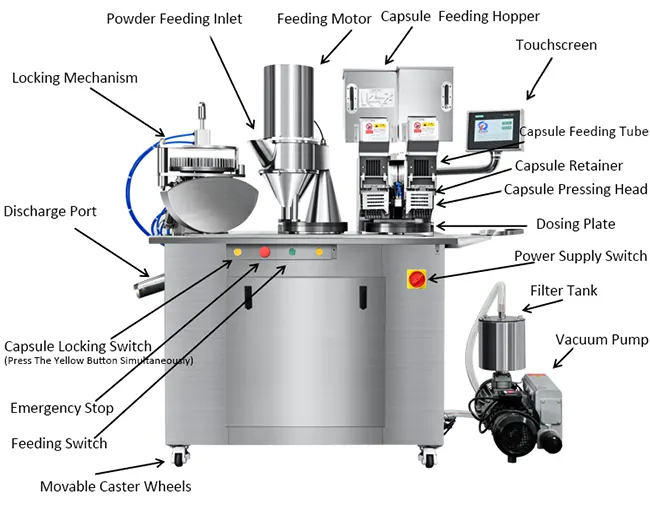
El mantenimiento de una máquina semiautomática de llenado de cápsulas no se trata de realizar reparaciones puntuales cuando surgen problemas, sino de preservar la estabilidad de los sistemas fundamentales que sustentan la producción diaria. La integridad del suministro eléctrico, el rendimiento del sistema de vacío y un mantenimiento diario constante determinan si una máquina funciona de forma predecible o si, por el contrario, se convierte gradualmente en una fuente de incertidumbre.
En entornos de fabricación reales, la mayoría de los problemas operativos se deben a aspectos básicos que se pasan por alto, más que a limitaciones de diseño. Cuando se mantienen adecuadamente estos fundamentos, las máquinas de cápsulas semiautomáticas ofrecen un rendimiento fiable, una calidad de producción estable y un proceso de producción más controlado.
Al considerar el mantenimiento como parte integral de la producción, en lugar de una carga adicional, los fabricantes pueden reducir el tiempo de inactividad, prolongar la vida útil de los equipos y crear un entorno de trabajo más eficiente y fiable. Con el tiempo, las prácticas de mantenimiento rigurosas demuestran ser una de las inversiones más prácticas para la estabilidad operativa a largo plazo.

29+ years in pharmaceutical machinery, covering capsule filling, tablet pressing, blister packaging, tablet and capsule counting, cartoning, GMP production, and overseas machine service.

Correo electrónico : manager@richpacking.cn
Building D, No. 226, Beishan Qiaotou Street, Haizhu District, Guangzhou City, Guangdong Province, China


 Red IPv6 admitida